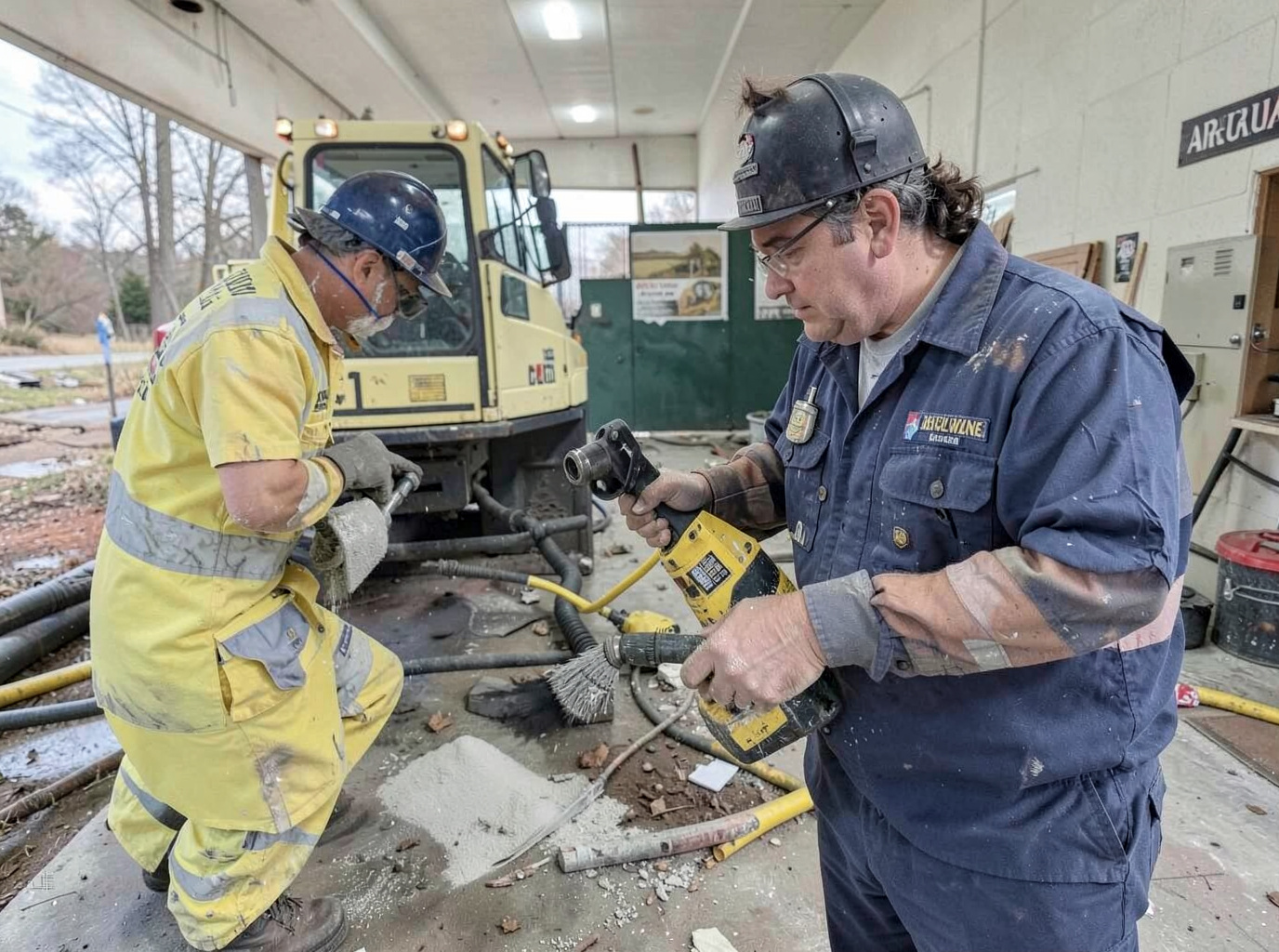
Augusta’s humid subtropical climate brings frequent summer thunderstorms and occasional river rises that push water into older brick and frame homes common in Summerville and Turpin Hill. Once water enters crawl spaces or pier-and-beam foundations typical of Richmond County houses built before 1960, it travels under flooring and into wall cavities within hours. Technicians start with moisture mapping using meters calibrated for local lumber and plaster to locate hidden saturation that standard fans miss.
In neighborhoods like Lake Aumond and Hillcrest, slab-on-grade construction from the 1970s often hides plumbing leaks under tile. Removing carpet and padding quickly prevents mold growth that thrives in Augusta’s mild winters when indoor humidity stays high. Technicians use air movers and dehumidifiers sized for the square footage and run them until readings drop below 12 percent on affected materials, then document the process for insurance adjusters familiar with local claims.
Phinizy Swamp Nature Park and the Savannah River corridor can send groundwater into Wheeless Road and Richmond Hill basements during heavy rains. Crews place containment barriers and extract standing water before it reaches electrical boxes or HVAC returns. Drying plans account for the clay-heavy soil that holds moisture against foundation walls longer than sandy soils found farther west in Martinez.
Technician insight
In Augusta the thing that catches most people out with Emergency Water Damage Restoration is how fast moisture moves through the pier-and-beam crawl spaces under 1940s–1960s homes in Turpin Hill and Wheeless Road. The clay soil holds water against sills long after the rain stops, so a job that looks like just wet carpet often needs two extra days of targeted drying you won’t see in newer Martinez slab homes.
Crawl Space Flood After Summer Storm
Water entered a 1952 frame home in Summerville through foundation vents during a July thunderstorm. Mapping showed saturation in floor joists and subfloor extending ten feet past the visible wet carpet. Extraction and directed drying equipment ran for four days until readings stabilized; the homeowner avoided full floor replacement.
Emergency Water Damage Restoration Services We Offer
✓Standing Water Extraction
Removes pooled water from basements and crawl spaces in older Richmond County homes before it migrates into subfloors.
✓Structural Drying
Uses commercial dehumidifiers and air movers to pull moisture from drywall, insulation, and hardwood floors common in Summerville properties.
✓Carpet and Pad Removal
Extracts saturated flooring materials and disposes of them to stop mold colonies from forming in humid Augusta summers.
✓Wall Cavity Drying
Drills small access holes and inserts drying wands to reach moisture trapped behind plaster in pre-1950 Downtown Augusta homes.
✓Content Drying and Cleaning
Moves and dries furniture, rugs, and documents on-site or at controlled facilities to salvage items after leaks in Lake Aumond residences.
Emergency Water Damage Restoration Cost in Augusta, GA
| Service | Typical Range | What Affects It |
|---|---|---|
| Initial Assessment And Extraction | $250–$650 | Varies with volume of standing water and access in older foundations. |
| Equipment Drying Per Day | $150–$350 | Number of days determined by material type and current outdoor humidity. |
| Wall Cavity Drying Add-On | $200–$450 | Required for plaster or lath walls common in Summerville and Old Town. |
Ranges are typical for Augusta, GA and confirmed with an exact written quote before any work starts.
How it works
- 1
Arrival And Safety Check
Technicians arrive within the service window, shut off water sources, and inspect electrical hazards before entering affected rooms.
- 2
Moisture Mapping
Meters and infrared cameras locate saturation in walls, floors, and ceilings across the specific layout of the home.
- 3
Water Removal
Pumps and extractors pull standing water, followed by immediate placement of drying equipment sized for the space.
- 4
Daily Monitoring
Readings are taken each day until materials reach dry standard, with adjustments made for Augusta’s humidity levels.
Pricing
Pricing depends on affected square footage, water category, and drying duration required.