2026-11-12 · Marcus Reed
How to Protect Your Home from Summer Storm Flooding in Augusta
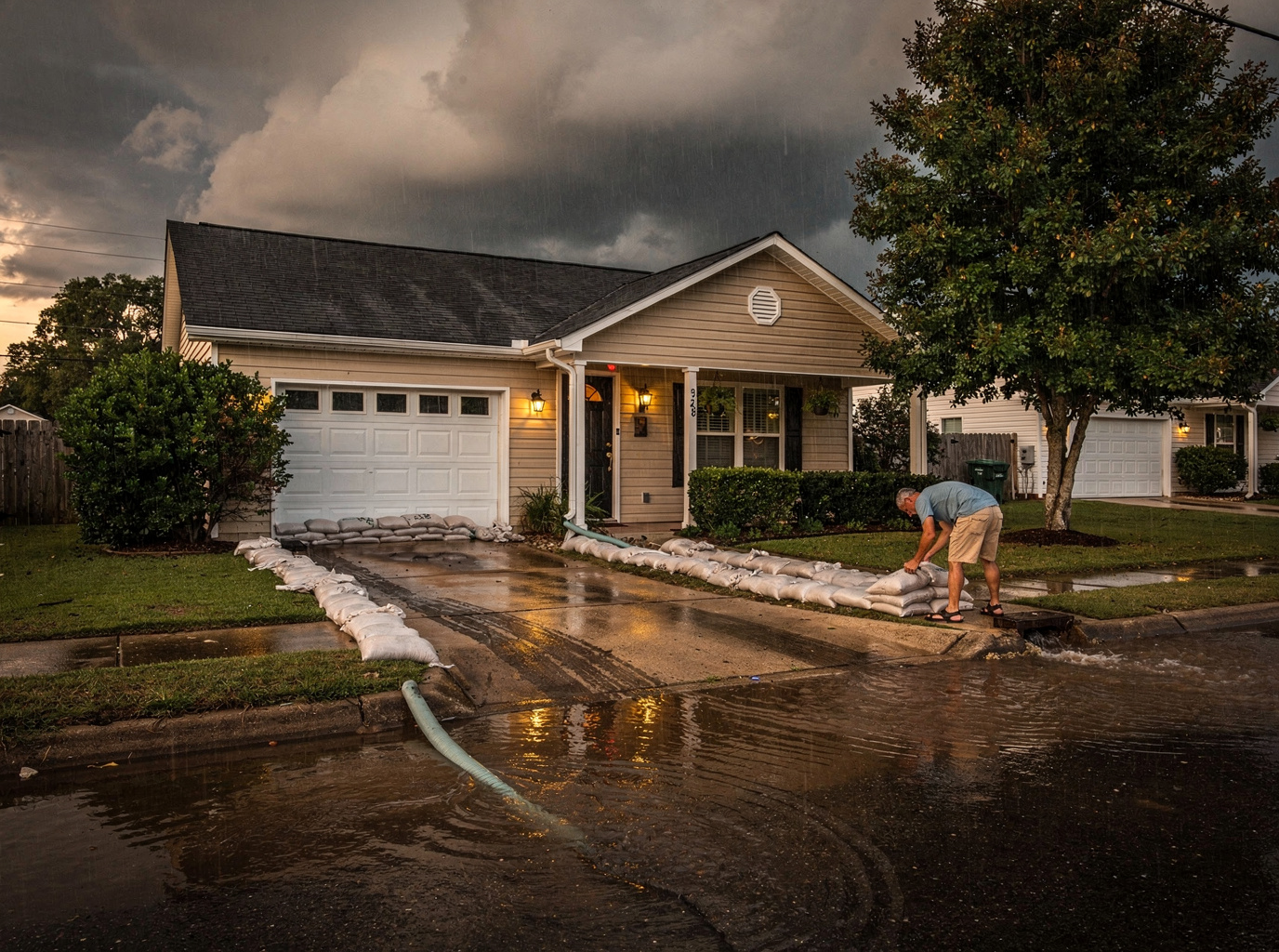
Augusta homes face summer storm flooding when heavy rains exceed the capacity of aging gutters and low-lying yards in neighborhoods such as Summerville, Lake Aumond, and Turpin Hill. Start by mapping water flow around your foundation during the next downpour, then seal gaps in siding and add backflow valves on sewer lines to cut entry points by half in most pre-1980 Richmond County houses.
Map Drainage Patterns Around Foundations
Richmond County soil holds moisture longer after summer storms because of the clay layers common near the Savannah River and Phinizy Swamp Nature Park. Walk the perimeter after a 2-inch rain and note where water pools within 10 feet of the house. Re-grade soil to slope 6 inches over the first 10 feet away from the foundation, and install French drains in yards that sit below street level in Downtown Augusta or Wheeless Road. These adjustments prevent water from pressing against crawl spaces that are standard in 1950s–1970s homes throughout the area.
Strengthen Roof and Gutter Systems Before Peak Season
Hot summer afternoons in Augusta drive sudden thunderstorms that drop 1–3 inches in under an hour, overwhelming clogged gutters on older roofs. Clean gutters every 60 days from March through September and add 5-inch extensions so discharge lands at least 6 feet from the house. Check flashing around chimneys and skylights in homes near Augusta National Golf Club or Riverwalk Augusta, where tree cover increases leaf load. Replace any missing shingles promptly, since even small openings allow wind-driven rain to reach attic insulation within minutes.
Install Backflow Protection and Sump Systems
Many Augusta homes built before 1990 lack backflow preventers, allowing storm water to push sewage into basements during high river stages. A plumber can install a 4-inch backflow valve on the main sewer line for properties in Hillcrest or Richmond Hill. Pair it with a battery-backed sump pump in crawl spaces or basements that sit below the 100-year floodplain line near James Brown Arena. Test the pump monthly by pouring 5 gallons of water into the pit to confirm it activates before the next storm cell moves through Martinez or Gracewood.
Monitor and Respond After Heavy Rains
Check What to Check After Heavy Rains in the CSRA within 24 hours of any storm that drops more than 1.5 inches. Look for damp drywall 4 inches above the floor in laundry rooms and bathrooms, common entry points in split-level homes on Old Town streets. If moisture appears, extract standing water the same day and run dehumidifiers at 50 pints per day until readings drop below 55 percent. For persistent issues, schedule Water Damage Restoration or Water Damage Repair to prevent hidden mold growth behind baseboards.
Maintain Long-Term Defenses Year Round
Keep records of every drainage improvement and roof repair so future owners know the home's flood history. Plant deep-rooted shrubs 8 feet from the foundation in Summerville yards to stabilize soil without trapping moisture against siding. Review these steps each March before summer storm season returns, and revisit Steps to Dry Out Water-Damaged Flooring in Augusta Homes if any interior water appears despite your preparations.